
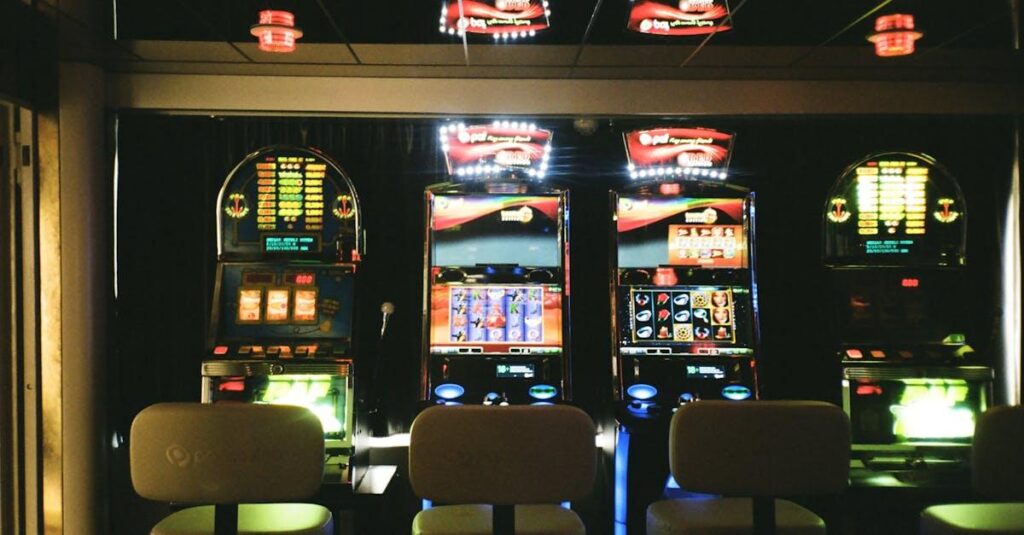
Have you ever noticed how certain colors, sounds, and animations in slot games make you feel a specific way, even if you can’t quite explain why? The connection between what you see on the screen and what you feel emotionally is no accident. Slot game developers spend considerable time and resources understanding how visual cues work as emotional signals, creating experiences that resonate on a psychological level.
The relationship between visual design and emotional response is deeply rooted in human psychology. When you play a slot game, you’re not just watching symbols spin. You’re experiencing a carefully orchestrated combination of colors, sounds, animations, and patterns that have been tested and refined to trigger specific emotional reactions. Understanding how this works gives you insight into why these games feel so compelling and engaging to millions of players worldwide.
What makes this topic so interesting is that the same visual principles apply across different types of games and entertainment. The techniques used in slot game design reveal broader truths about how human brains process information and form emotional connections with digital experiences.
The Role Of Color In Emotional Triggers
Colors are one of the most powerful visual cues that slot games use to influence how you feel while playing.
Red is perhaps the most common color choice in slot games because it naturally triggers excitement and urgency. When you see red symbols spinning or red backgrounds flashing, your brain interprets this as important and attention-grabbing. This isn’t something you learn through experience; it’s a biological response that humans share across cultures. Red increases heart rate and makes you feel more alert, which is exactly what game designers want when they’re trying to create moments of anticipation.
Gold and yellow colors work differently. They evoke feelings of wealth, success, and celebration. When a slot game displays gold coins, golden symbols, or yellow highlights during a winning moment, it reinforces the positive emotions associated with winning. Your brain connects these warm colors with prosperity, making the win feel more rewarding than it would with neutral colors.
Blue and green typically create calmer feelings. These colors appear in slot games during regular play or in background elements because they keep players relaxed between big moments. The contrast between calm background colors and bright, vibrant colors for important symbols creates a visual hierarchy that guides your attention exactly where the game wants it to go.
Sound Design And Emotional Responses
While not strictly visual, sound works hand-in-hand with visual cues to create emotional signals that shape your experience.
The spinning sounds of reels create anticipation. That mechanical whirring noise triggers a sense of suspense because your brain has learned to associate that sound with the possibility of winning. When the reels slow down, the sound changes, and this shift in audio cue signals that a result is coming. Your emotional state shifts from anticipation to either disappointment or excitement depending on the outcome.
Victory sounds are particularly important for emotional signaling. When you win, the game plays celebratory music, chimes, or other positive audio cues. These sounds reinforce the emotional high of winning and create a memory association between that sound and the feeling of success. Over time, just hearing those sounds can trigger positive emotions even before you see the winning symbols.
The absence of sound is equally important. During moments when nothing significant is happening, the game might go quiet or play subtle background music. This silence allows your emotional state to reset and prepares you mentally for the next spin. The contrast between quiet moments and loud celebratory moments makes the wins feel more impactful.
Animation Speed And Anticipation Building
How quickly or slowly animations play directly affects your emotional state during gameplay.
Slow-motion effects during important moments extend the anticipation period. When a reel slows down dramatically as it approaches a winning symbol, your heart rate increases. This extended moment of suspense makes the eventual win feel more earned and satisfying. The slower animation gives your brain more time to process what’s happening and build emotional investment in the outcome.
Fast animations for regular spins keep the game moving at a pace that feels engaging without being overwhelming. If every spin were slow and dramatic, the experience would become exhausting. The balance between fast and slow animations creates a rhythm that matches natural human attention patterns.
Celebratory animations that expand, bounce, or flash after a win provide visual feedback that confirms your success. These animations make the win feel bigger and more significant. A simple static image of winning symbols would feel flat compared to animated symbols that dance, grow larger, or emit light effects.
Symbol Recognition And Emotional Conditioning
The specific symbols chosen for slot games carry emotional weight based on what they represent.
Luxury symbols like diamonds, crowns, or expensive cars trigger feelings of aspiration and success. When you see these symbols appear, your brain associates them with high value and achievement. This connection is built partly through the game’s reward structure, where these symbols pay out more, and partly through cultural associations we already have with these objects.
Playful symbols like fruits, animals, or cartoon characters create a lighter, more fun emotional tone. These symbols make the game feel less serious and more entertaining. They appeal to players who want enjoyment rather than intense excitement, and they create a different emotional experience than luxury-themed symbols would.
The consistency of symbol appearance matters too. When a particular symbol always appears in the same visual style and location on the screen, your brain learns to recognize it quickly. This recognition triggers the emotional response associated with that symbol faster, making the experience feel more intuitive and satisfying. If symbols changed appearance randomly, the emotional connection would be weaker because your brain couldn’t build reliable associations.
Visual Patterns And Pattern Recognition
Humans are naturally drawn to patterns, and slot games exploit this tendency through visual design.
When symbols line up in specific combinations, the visual alignment itself triggers satisfaction. Your brain is wired to recognize patterns, and when it spots a clear pattern like three matching symbols in a row, it releases dopamine. This chemical response creates a feeling of pleasure and accomplishment. The game’s visual design emphasizes these patterns through animations and highlights to make them more obvious and satisfying.
Symmetry in symbol arrangements creates feelings of balance and completion. Asymmetrical or chaotic visual arrangements feel unsettling, while symmetrical patterns feel resolved and satisfying. Game designers use this principle when displaying winning combinations, making them visually balanced and pleasing to look at.
Near-miss situations, where you almost win, use visual cues to create specific emotional responses. When two matching symbols appear with a different symbol just barely in the wrong position, the game’s animation might emphasize how close you came. This near-miss creates frustration mixed with hope, which can motivate continued play. The visual design makes these near-misses feel significant rather than meaningless.
Lighting Effects And Mood Creation
The way light and shadow are used in slot games significantly influences emotional atmosphere.
Bright, glowing symbols draw attention and create excitement. When symbols light up, glow, or emit rays of light, they feel important and valuable. This lighting effect makes winning symbols feel more rewarding than they would if they simply appeared without any special lighting treatment.
Dark backgrounds with bright foreground elements create contrast that makes important visual information pop. Your eyes are naturally drawn to bright areas against dark backgrounds, so this contrast guides your attention to where the game wants you to look. This directional attention influences your emotional focus and helps you process important information quickly.
Pulsing lights and flashing effects create urgency and excitement. When lights pulse in rhythm with the game’s music or action, it synchronizes visual and audio cues to amplify emotional impact. This synchronization makes moments feel more intense and memorable than they would if visual and audio elements were misaligned.
The Integration Of Multiple Visual Cues
The real power of visual signaling in slot games comes from how multiple cues work together simultaneously.
When you experience a big win, the game doesn’t just show you winning symbols. Instead, it combines red or gold colors, celebratory sounds, fast-paced animations, bright lighting effects, and expanding or bouncing symbols all at once. This multisensory experience creates an emotional response that’s far more intense than any single visual element could create alone. Your brain processes all these signals together and interprets them as a significant positive event.
The timing of these combined cues matters significantly. If animations and sounds were slightly out of sync, the emotional impact would be diminished. Professional game design ensures that all visual and audio elements align perfectly to create a cohesive emotional experience. This attention to timing is what separates well-designed games from poorly-designed ones.
Players who visit platforms like hoki123 can observe these principles in action across various game styles and themes. The consistency of these design principles across different games demonstrates how universal these emotional triggers are.
Understanding Your Own Responses
Recognizing how visual cues trigger emotional responses helps you understand your own reactions to slot games.
When you feel excited or disappointed while playing, that emotional response is the result of deliberate design choices. The colors, sounds, animations, and patterns you see have been selected and tested specifically to create those feelings. This doesn’t mean your emotions are fake or that you shouldn’t feel them, but it does mean you can observe and understand the mechanics behind them.
Different players respond to different visual cues based on their personal preferences and experiences. Some players find bright, fast-paced games with lots of animations exciting, while others prefer simpler, cleaner designs. Understanding what visual elements appeal to you personally can help you make more conscious choices about what games you enjoy playing.
The psychology of visual signaling in slot games is ultimately about creating engagement through emotional connection. By understanding how these visual cues work, you gain insight into not just slot games, but how visual design influences emotional responses across all types of digital experiences.