
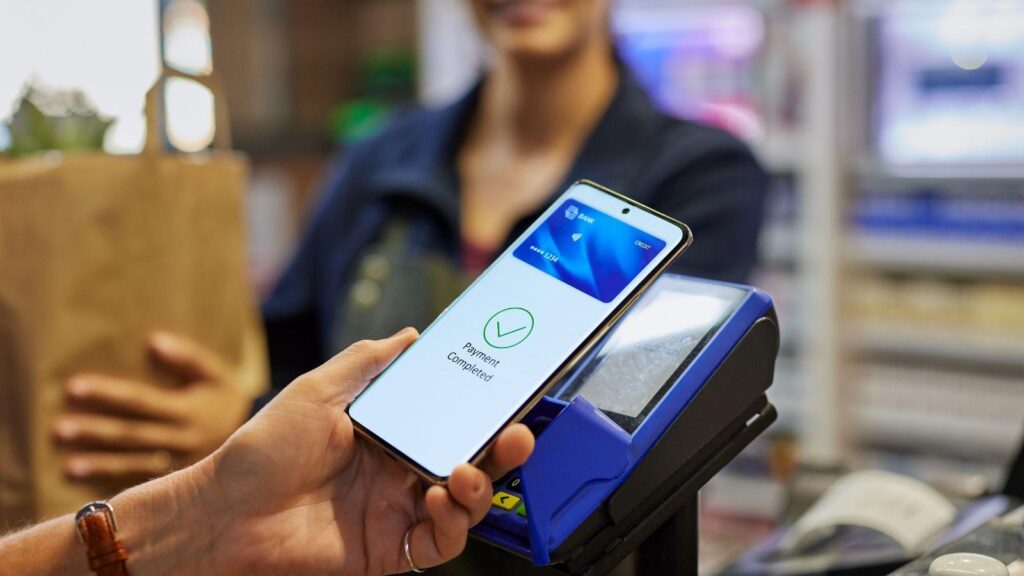
The way money moves online has expanded far beyond a single card number typed into a checkout box. Bank transfers, digital wallets, prepaid vouchers and cryptocurrencies now compete for attention, each promising a smoother experience. Selecting the right option is rarely about picking the “best” one in absolute terms. Instead, it depends on how quickly funds need to clear, how much a transaction ends up costing and how well personal data stays protected.
Why Transaction Speed Shapes the Experience
Speed is often the first thing people notice, because waiting for a payment to settle can disrupt plans and create uncertainty. Digital wallets and card payments tend to feel instant, confirming within seconds and giving immediate access to goods or services. Bank transfers, on the other hand, may take anywhere from a few hours to several business days depending on the network and the countries involved.
Cryptocurrency transactions sit somewhere in between. Confirmation times vary with network congestion and the coin being used, meaning a transfer can be nearly immediate or noticeably delayed. For anyone who values predictability, understanding the typical clearing window of each method matters more than the theoretical maximum speed a provider advertises.
Understanding the True Cost of Fees
Fees are easy to overlook until they accumulate. A payment method that appears free at the surface may carry currency conversion charges, withdrawal costs or a percentage taken by an intermediary. Comparing options honestly means looking beyond the headline rate and examining what happens across an entire cycle of deposits and withdrawals.
In the context of online gaming, where frequent smaller transactions are common, the choice of Payment Methods can make the balance between convenience and cost especially visible. Those looking to weigh these trade-offs can read more for a deeper breakdown of how different options handle recurring transfers. Small percentages that seem negligible on a single payment can become substantial when transactions happen repeatedly, so the overall cost deserves more attention than a one-time glance.
To make comparison easier, the following overview groups common methods by the type of cost they usually involve. This is a general guide rather than a fixed rule, since specific charges depend on providers and regions.
|
Method |
Typical Speed |
Common Cost Considerations |
|
Card payments |
Near instant |
Possible currency conversion |
|
Digital wallets |
Instant |
Withdrawal or top up fees |
|
Bank transfers |
Hours to days |
Cross border charges |
|
Cryptocurrencies |
Variable |
Network transaction fees |
Security Features Worth Prioritizing
Security ties the entire decision together, because speed and low fees mean little if funds or data are exposed. The most reliable methods layer multiple safeguards rather than depending on a single barrier. Encryption protects information as it travels, while authentication steps confirm that the person authorizing a payment is genuinely the account holder.
Several protective features are worth recognizing when evaluating any option. They reduce the likelihood of unauthorized access and give clearer paths for resolving disputes if something goes wrong.
- Two factor authentication that requires a second confirmation step.
- Tokenization, which replaces sensitive numbers with disposable codes.
- Chargeback or reversal options for contested transactions.
- Transparent activity logs that let users review recent movements.
Methods differ in how many of these they include by default. Card networks often provide strong dispute mechanisms, while cryptocurrencies emphasize cryptographic protection but rarely allow reversals. Recognizing these distinctions helps set realistic expectations about what recourse exists after a payment is sent.
Matching a Method to Personal Habits
No single option performs equally well across every situation, which is why personal habits should guide the final choice. Someone making occasional large purchases may prioritize dispute protection and accept slower clearing times. Another person handling frequent micro transactions might value instant confirmation and minimal per payment fees far more.
Geography also plays a role, since availability and cost structures shift from one region to another. A wallet that dominates one market may be nearly absent in another, and cross border transfers can introduce fees that reshape the entire calculation. Considering where money typically comes from and goes to narrows the field considerably before any comparison of individual features even begins.
Bringing the Factors Together
Choosing an online payment method becomes far simpler once speed, fees and security are weighed as a connected set rather than isolated points. Fast confirmation loses value if fees erode the benefit, and low cost matters little without dependable protection. The strongest approach involves mapping each method against genuine usage patterns, then favoring the one that balances all three priorities without forcing a compromise on the factor that matters most. That practical framing turns a crowded field of options into a manageable and confident decision.