
Kitchen Disaster: What You Need to Know
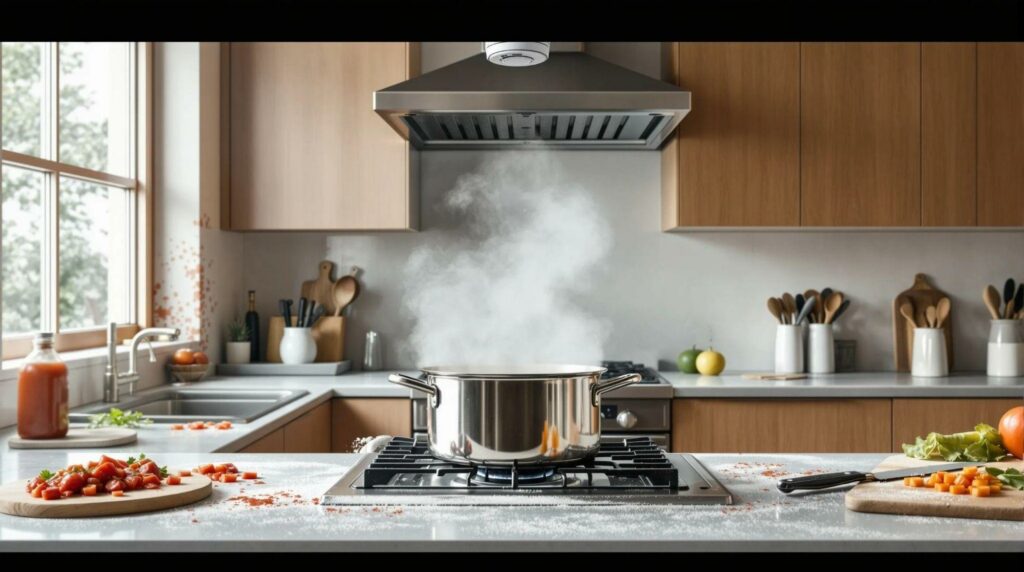
We’ve all been there, right? One moment, you’re chopping veggies like a culinary pro, and the next, there’s a smoke detector blaring and half your kitchen covered in flour. Kitchen disasters are like those awkward moments caught on camera, and they happen to the best of us. So, let’s dig into what you need to know to handle these mishaps with grace (or at least a sense of humor).
Common Types of Kitchen Disasters
Unforgettable Cooking Fails
We’ve probably experienced our fair share of cooking fails. Think about that time we accidentally set the timer for 30 minutes instead of three and ended up with charcoal instead of cookies. Nothing quite compares to the look of bewilderment when we open the oven door and are met with a smokey abyss instead of the delicious aroma we were expecting.
Another classic moment? The infamous sauce explosion. Picture this: we’re stirring a pot of marinara sauce too vigorously, and suddenly, it erupts, leaving a vibrant, red masterpiece splattered across every available surface. Remember that one time we thought adding an extra dash of cayenne pepper would spice up the dish? Let’s just say, it didn’t have the intended effect.
Kitchen Safety Hazards
While we joke about our cooking fails, it’s crucial to take kitchen safety seriously. Many kitchen accidents occur because we underestimate the risks. A hot stove, sharp knives, and slippery floors can spell disaster if we’re not careful. Ever slipped on that trail of olive oil we forgot to wipe up? Yeah, it’s not just embarrassing: it can lead to serious injury.
We should also keep an eye on those kitchen gadgets. Failing to follow the instructions can lead to a shocking encounter with the blender or a disastrous meeting with the food processor’s sharp blades. Familiarizing ourselves with these devices helps avoid common kitchen mishaps.
Emergency Preparedness in the Kitchen
Essential Tools for Avoiding Disasters
Now that we’ve laughed (or cringed) at our blunders, let’s talk about preparation. When it comes to the kitchen, having the right tools is like having an ace up our sleeve. A fire extinguisher rated for kitchen use is a non-negotiable. Trust us: it’s better to have one and not need it than to need it and not have it.
We should also invest in a reliable first aid kit stocked with band-aids and antiseptic for those inevitable kitchen cuts and scrapes. Also, keeping a kitchen towel handy for quick spills can save us from future disasters.
First Aid Tips for Kitchen Injuries
Accidents happen, but knowing how to respond can make all the difference. For small cuts, washing the area with soap and water is essential, followed by applying a bandage. If we encounter something more severe, like burns, running cool water over the affected area can soothe the pain. Remember, we should never put ice directly on burns, our skin is not a snowman. For larger injuries, seeking professional medical help is crucial.
Best Practices for Disaster Recovery
Cleaning Up After a Disaster
So, once we’ve tackled a kitchen disaster, what comes next? Cleaning. It’s part of the gig. We need to approach it systematically. Start by turning off any gadgets that may still be on. Then, let’s sweep up any debris and wipe down the counters. For spills, hot soapy water is our best friend.
Once the chaos is contained, we need to assess damage and decide if the meal can be salvaged. Maybe those burnt pancakes can be turned into a creative breakfast that never was? Embrace the ability to improvise.
Learning from Your Mistakes
As we clean, we should take a moment to reflect on our kitchen misadventure. What went wrong? Did we ignore a timer? Did we misread a recipe? Each disaster provides a lesson if we keep our minds open. This reflection turns every mistake into a stepping stone for improvement. Next time, we’ll double-check the recipe, and maybe invest in a good timer.