
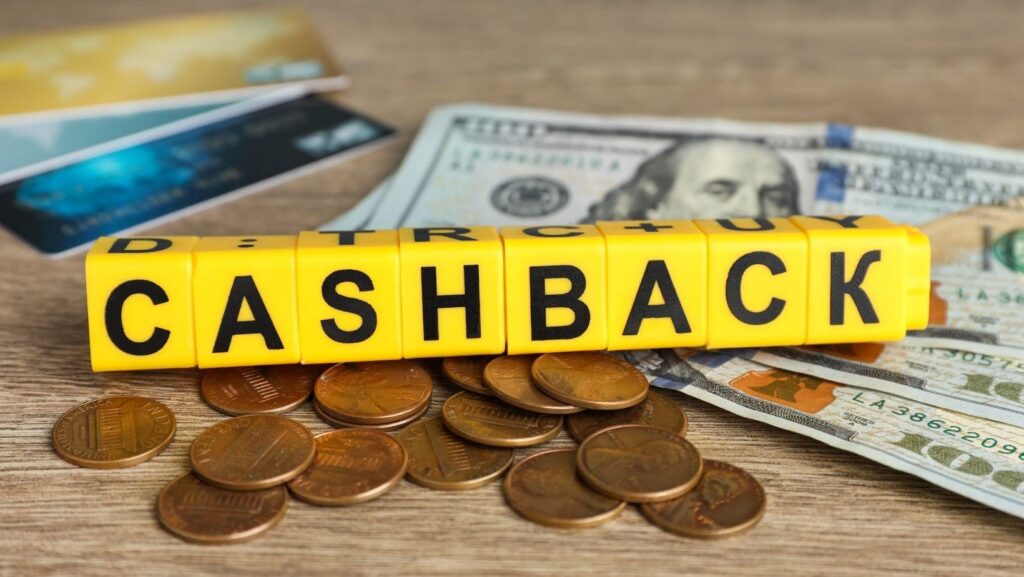
Which bonus model actually delivers more value — cashback or a reload bonus? The answer is not universal. It depends on your deposit behavior, session frequency and what you want a bonus to do for your bankroll. Understanding how both models originated and evolved tells you exactly which one fits your situation in 2026.
How Did Cashback Bonuses Originate
Cashback rewards emerged as a loss-reduction incentive in early online casino and sportsbook promotions. Operators needed a way to retain players who had experienced a negative session without offering a full refund — cashback was the structural solution. It returned a fixed percentage of net activity within a defined period, converting a negative outcome into a partial credit that kept players engaged.
In its earliest form, cashback was broad and untargeted. Platforms including predecessors to what Roobet Canada represents today applied flat-rate cashback across entire player bases, with little segmentation. The percentage was typically low — often between 5% and 15% — and the credited amount came with wagering conditions attached. The mechanic was simple: play, receive a percentage return, continue playing.
The defining characteristic of cashback has always been its downside-protection framing. It does not require a new deposit to trigger. It activates based on existing activity. That distinction shaped how it was positioned against other retention tools — and why it survived regulatory changes that restricted many acquisition-focused bonuses across European and other licensed markets.
How Did Reload Bonuses Develop Into a Recurring Offer
Reload bonuses originated as recurring deposit-matching offers designed to keep existing players active between sessions. Unlike a welcome bonus — which fires once at registration — the reload bonus was built to repeat. It gave players a financial incentive to make a second, third or ongoing deposit rather than withdrawing and disengaging.
At Roobet Canada and comparable platforms, reload bonuses typically offer a match percentage — commonly between 25% and 100% — applied to a qualifying deposit above a minimum threshold. The structure is straightforward: deposit, receive bonus funds, meet wagering conditions, access winnings. The reload mechanic favors bankroll growth on new deposits rather than protection against a previous session’s outcome.
Early reload bonuses were applied weekly or monthly with little differentiation between player segments. As competition increased across online gambling markets, operators shifted toward more targeted cadences — specific reload offers tied to player activity levels, deposit histories and engagement windows. By 2026 this segmentation is standard practice at licensed platforms.
What Changed Between the Early Era and 2026
The early era of online casino and sportsbook promotions was defined by one-size-fits-all bonuses. Operators used broad match offers and basic retention credits to attract and hold players, with limited data infrastructure to personalize either the timing or the value of the reward. Acquisition dominated strategy; retention was secondary.
The turning point arrived when operators began separating risk-free style rewards from deposit-boosting incentives. These 2 reward models — cashback and reload — were pulled apart and assigned to different moments in the player lifecycle. Cashback became a retention tool for active players managing session variance. Reload bonuses became a reactivation mechanism for players at risk of disengaging between deposit cycles.
The promotional landscape shifted from acquisition-focused bonuses to retention-focused lifecycle campaigns. This transition was accelerated by tighter regulation in key markets, which restricted aggressive welcome offers and pushed operators toward longer-term engagement models. The legacy of that shift is visible across every licensed platform operating in 2026 — both Roobet Canada and its competitors now deploy these 2 models as segmented, data-informed tools rather than blanket promotions.
How Do the Two Models Compare Directly
Comparing cashback and reload bonuses requires a clear framework. Both serve retention but operate through different mechanics, trigger conditions and value propositions. The right choice depends on whether your priority is downside protection or deposit amplification.
A direct comparison across the key decision variables looks like this:
|
Variable |
Cashback Bonus |
Reload Bonus |
|
Trigger condition |
Net activity within a period |
New qualifying deposit |
|
Primary function |
Downside protection |
Bankroll growth |
|
Deposit required |
No |
Yes |
|
Typical value range |
5% – 20% of net activity |
25% – 100% of deposit |
|
Wagering conditions |
Often lower or none |
Typically 20x – 40x |
|
Best suited for |
Frequent, consistent players |
Players making new deposits |
|
Lifecycle stage |
Active retention |
Reactivation and deposit growth |
The table reflects the modern state of both models as deployed by platforms like Roobet Canada in 2026. Cashback carries a structural advantage for players who prioritize lower wagering conditions. Reload bonuses carry a structural advantage for players who want to amplify a specific deposit event.
Which Model Fits Your Situation in 2026
Player segmentation now determines which offer you receive — not which one you request. At Roobet Canada and licensed platforms operating under current regulatory frameworks, cashback offers are typically directed at higher-frequency players with established session histories. Reload bonuses are deployed toward players showing deposit gaps or reduced activity, as a reactivation incentive with immediate bankroll impact.
To match the right model to your current situation, evaluate these factors before opting in:
- Deposit frequency — whether you deposit once or multiple times per week
- Session variance — whether your sessions produce consistent or highly variable outcomes
- Wagering tolerance — whether you prefer low-condition credits or higher-value but condition-heavy funds
- Timing — whether you are between deposits or actively mid-cycle
Players who deposit consistently and play frequently extract more value from cashback over a 30-day cycle than from any single reload event — while players making a new deposit after a gap benefit more from a reload match that immediately scales their available bankroll.
Both models are legacy tools refined over more than a decade of online gambling market evolution — and in 2026 the platform that deploys them most precisely wins the retention battle, not the one with the largest headline percentage.