
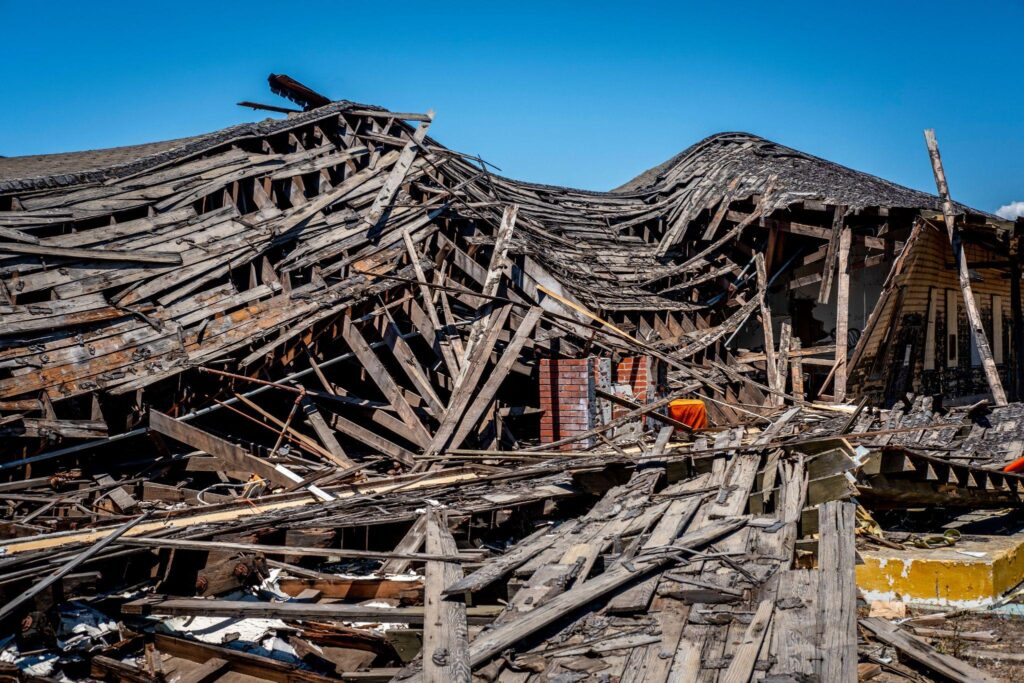
Natural disasters have a before and an after that feel like two completely different lives. Before, the house is standing, the car is in the driveway, the routine is intact. After, the immediate task is survival and stabilization, followed by the longer, less dramatic work of actually rebuilding what was lost. That second phase — the recovery — is where most people discover how unprepared they actually were, not just materially but procedurally. Knowing what to do, in what order, with which institutions and under what timeline, is the kind of knowledge that becomes urgently necessary at exactly the moment when the mental and emotional bandwidth to acquire it is at its lowest.
Having some of that framework in place before disaster strikes is what allows the recovery to begin moving forward rather than stalling at the starting line.
Prioritize Safety Before Anything Else
The first hours after a natural disaster aren’t about recovery — they’re about safety. Returning to a damaged structure before it’s been cleared by emergency management or structural inspectors risks injuries that compound the disaster’s impact. Floodwater that appears to be receding can still carry electrical hazards, contamination, and structural instability that aren’t visible on the surface. Gas leaks in damaged structures produce explosion risk that doesn’t announce itself clearly.
Following official guidance about when it’s safe to return, wearing appropriate protective equipment when entering a damaged structure for the first time, and resisting the understandable urgency to start clearing and salvaging before the environment has been assessed are the discipline that prevent the recovery phase from generating its own casualties.
Document Everything Before Touching Anything
The insurance claim process depends on documentation that only exists if it’s created before cleanup and salvage begin. Photographs and video of every damaged room, every damaged item, every structural element affected — taken before anything is moved, cleared, or discarded — create the evidentiary record that makes the difference between a well-supported claim and one that the adjuster can only partially verify.
This documentation imperative applies even to items that seem obviously unsalvageable. Damaged furniture, destroyed appliances, ruined personal property — these need to be documented in their damaged state before being removed. The instinct to start cleaning and clearing is understandable, but it destroys claim evidence in ways that are irreversible. Document first, then clear.
File Insurance Claims Promptly
Insurance policies typically contain notification requirements that specify how quickly a claim must be reported after a covered loss. Missing those windows can affect coverage, and the claims process itself begins moving only when the claim is filed. Contacting the insurance company or agent as quickly as possible after the disaster — even before the full extent of the damage is clear — starts that process and gets an adjuster assigned while documentation of the damage is still fresh.
Flood insurance claims involve a specific consideration worth understanding in advance. Standard homeowner’s policies don’t cover flood damage — flood insurance is a separate policy, typically through the National Flood Insurance Program or a private insurer, and it has its own claims process and timeline. South Carolina’s combination of coastal exposure, tidal flooding, and hurricane vulnerability makes this particularly relevant. The flood insurance South Carolina homeowners carry through either NFIP or private carriers operates under different claims procedures than standard property insurance, and understanding which policy covers which type of water damage before a disaster occurs prevents the confusion about which claim to file that delays recovery after one.
Secure the Property Against Further Damage
Insurance policies typically require policyholders to take reasonable steps to prevent additional damage after a covered loss — a requirement that serves both the insurer’s interest and the homeowner’s. Boarding broken windows. Tarping damaged roofing. Removing standing water where possible. These steps aren’t just prudent — they’re typically conditions of coverage, and failing to take them can affect how a claim is evaluated.
Keeping receipts for emergency repairs and mitigation work is equally important. These costs are often reimbursable under the policy, but only if they’re documented. Work performed by emergency contractors in the immediate aftermath of a disaster should be documented with contracts, receipts, and before-and-after photographs that capture what was done and why.
Navigate Contractor Relationships Carefully
Disaster recovery creates a specific contractor fraud environment that first-time disaster survivors aren’t always prepared for. Unlicensed contractors who follow disaster events from market to market, demanding large upfront payments for work they don’t complete or complete poorly, are a well-documented pattern in the aftermath of major weather events.
Verifying contractor licensing through the state licensing board, getting multiple estimates before committing to major work, making incremental payments tied to completion milestones rather than large upfront payments, and being especially cautious about contractors who approach homeowners proactively rather than being sought out are the practices that protect against the contractor fraud layer that sits on top of the disaster itself.
The Longer Arc of Recovery
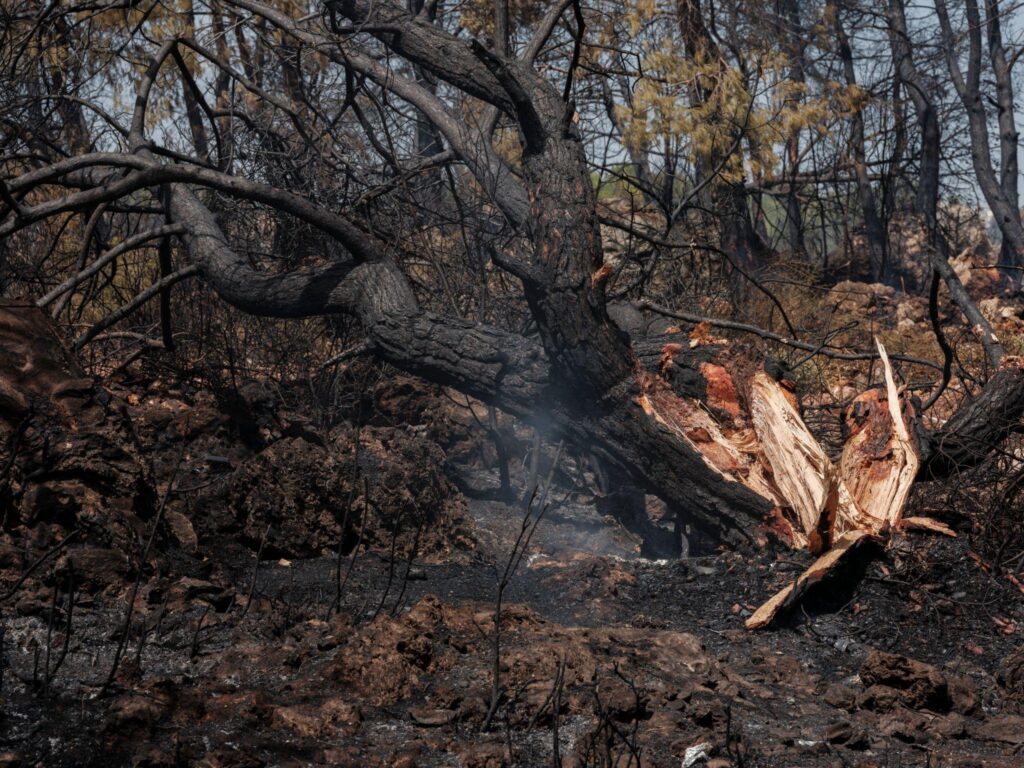
Physical recovery from a significant natural disaster typically takes longer than affected homeowners anticipate going in. Insurance settlement, contractor availability, permitting requirements, and material supply chains all introduce timeline complexity that can extend recovery from months to years for major damage events. Managing expectations about that timeline, both personally and with family members affected by the displacement, reduces the psychological strain of a process that has a definite end but not always a predictable one.