
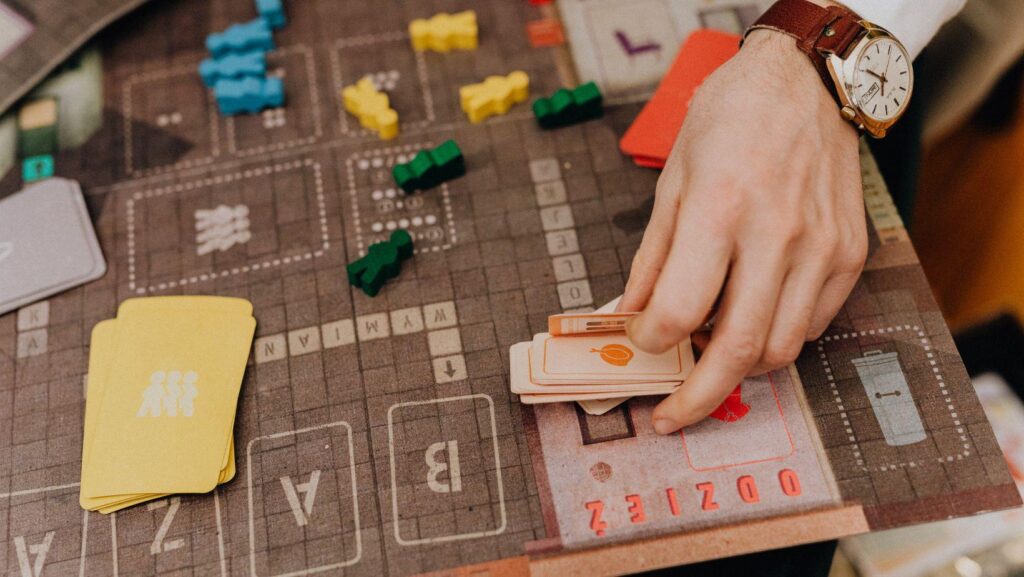
I've spent probably too much time thinking about why certain games stick with us while others don't. Some games have 47 different mechanics and still feel boring, while others do one thing well and keep you coming back.
Here's what I noticed. Complexity doesn't automatically make something better, and I think we've gotten this backward in a lot of ways.
The Appeal of Binary Choices
There's something about binary decisions that our brains really love—yes or no, heads or tails, win or lose. I tested this theory myself. I played a coin flip casino game and compared it to something with multiple paylines and bonus rounds. The straightforward one won by a mile.
And I think I know why. When you're dealing with 23 different variables, your brain can't really process the outcome. Did you win because of skill or luck or some combination you'll never understand? But with a 50/50 choice, you know exactly where you stand. There's no ambiguity, no second-guessing whether you missed some obscure mechanic buried in a tutorial you skipped. The clarity itself becomes part of the appeal.
Real Stakes Feel Different
Games that strip away the fluff make every decision feel weightier somehow.
I remember watching my friend Tom (who usually plays those massive strategy games) try something basic. Just picking an outcome and waiting. He was more tense than I'd seen him in months. There was no complex strategy to hide behind, just his choice and the result staring him in the face.
That's the point—when you can't blame 17 different game mechanics for losing, you're actually engaged with what's happening. You own the outcome completely, whether it goes your way or not.
Why Preparation Matters Everywhere
Here's where this connects to something bigger. Whether you're gaming or prepping for emergencies, you need clarity.
I've been building out my emergency kit lately, and I keep coming back to this same principle. Don't overcomplicate stuff. You need water (1 gallon per person per day), food that won't spoil with actual shelf life of 3-5 years minimum, first aid supplies you actually know how to use, and a flashlight with extra batteries.
Same concept applies everywhere. Make clear choices, know your odds, don't hide behind complexity when simplicity works better. The more moving parts you add, the more potential points of failure you create.
The Psychology of Waiting
Games with instant results tap into something different than slow-burn strategy games. Your brain releases dopamine faster and you get immediate feedback.
Our brains love quick reward cycles, which is why checking your phone feels good even when nothing's there. That tiny possibility of a positive outcome keeps you hooked. It's the same reason lottery scratchers feel different than waiting for the jackpot drawing next week.
Games built on simple premises understand this perfectly. They're not trying to be everything—they do one thing and do it well.
When Less Actually Is More
So what's the takeaway here?
I watched my nephew play some elaborate RPG for 45 minutes without understanding a single objective. Then he tried something basic and got it immediately. His engagement went up dramatically.
We assume more features means more value. But sometimes stripping things down reveals what actually matters—the core loop, the basic decision, the moment of truth.
I've been simplifying my disaster prep plans using the same logic. Instead of 23-page checklists, I've got 4 core priorities now. Works better. I can actually remember what to do without digging through documents.
You don't always need elaborate systems. Sometimes you just need to make a call and see what happens. That's not lazy design, that's confident design.